Summary

Tekst: Hans Fuchs
Translation: Translation Kings
Photography: Kick Smeets
Portraits: Anne Reinke
Green for a better city
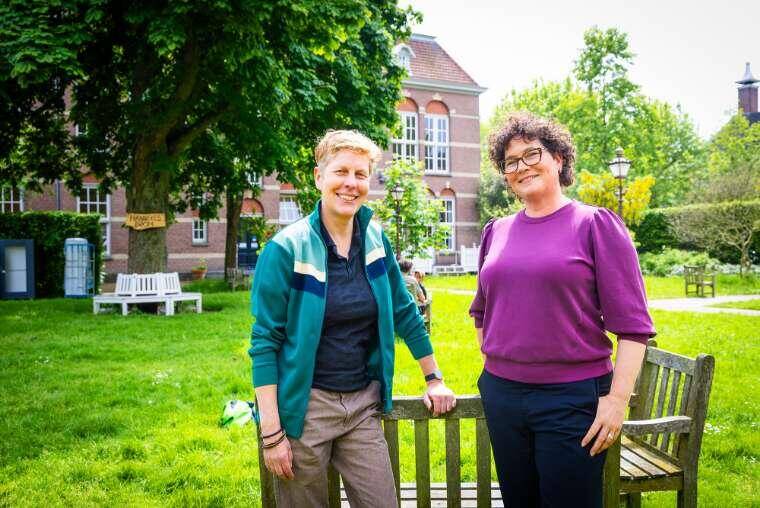
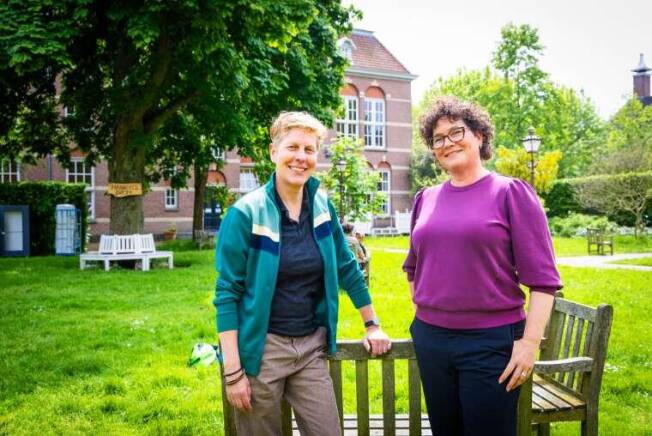
From the front door all the way out to the green wedges: with greenery, the City of Amsterdam is making the city healthier and more sociable, more climate-adaptive and more biodiverse. That is what the City’s Green Vision 2020–2050 and the Rigorous Greening plan set out. Policy advisors Geertje Wijten and Niek Bosch from the Planning and Sustainability department are working towards that greener city.
At the heart of the Green Vision 2020–2050 are the new values for Amsterdam’s green spaces. In the city, green space does more than support climate adaptation and biodiversity; it also helps create a healthy living environment and social well-being. That makes the city better, says the Green Vision. The city becomes ‘a more pleasant place to live, it becomes more sociable, ecologically stronger and more sustainable’.
In the wake of the Green Vision, the City of Amsterdam developed the Rigorous Greening plan, adopted by the College of Mayor and Alderpersons in 2025. This ‘rigorous greening’ is now one of the five strategic choices in the Environmental Vision 2050. “Where the Green Vision sets out the policy, the Rigorous Greening plan provides the data to back it up”, says Niek Bosch: “Just how much new green space are we actually talking about here - and what kind, and where? We’re now five years on from the Green Vision, and all sorts of projects have started; was that the right greenery in the right place?”.
The data in the Rigorous Greening plan make the challenges tangible and build awareness and understanding, says Geertje Wijten: “Rigorous greening brings home that we can integrate green space in a way that really does work”.
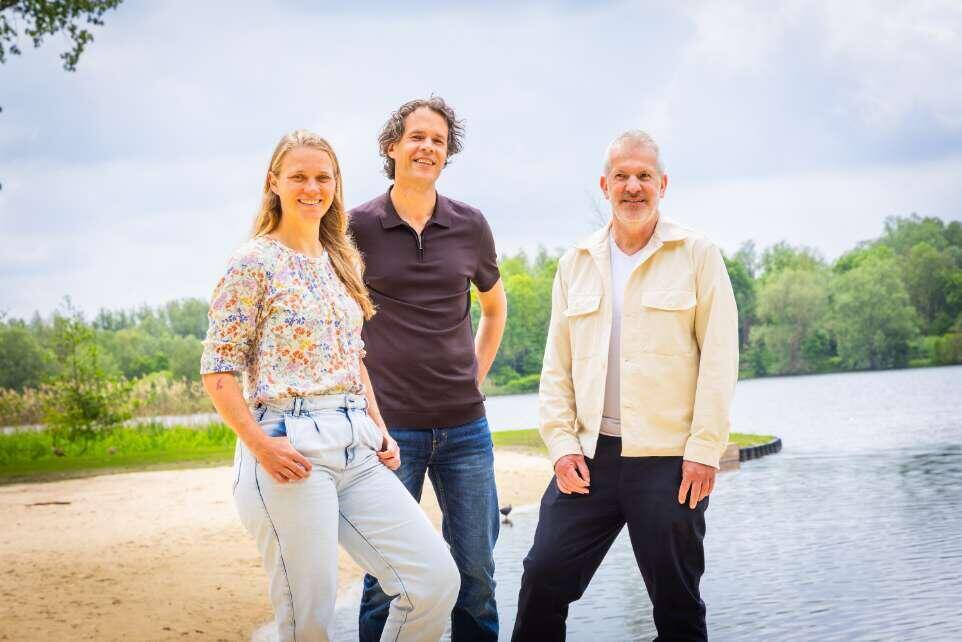
On behalf of Diemen and Amsterdam, Anke Pet and Marja van Nieuwkoop sit on the project group. Pet is Policy Officer for Spatial Development / Nature and Recreation, while Van Nieuwkoop is a strategic policy advisor at Planning and Sustainability. Pet and Van Nieuwkoop: “A lot is changing in the area. That calls for a broadly shared vision for the future of the Diemerscheg”.
In 2021, the project group drew up eight development principles for the Diemerscheg to guide nature conservation and management. Anke Pet: “The aim is to thread together the remaining heritage and nature areas in the Diemerscheg like green rooms, each with its own character, and to create specific spots and routes for recreation as well. That way, the area takes on more meaning for the people around it”.
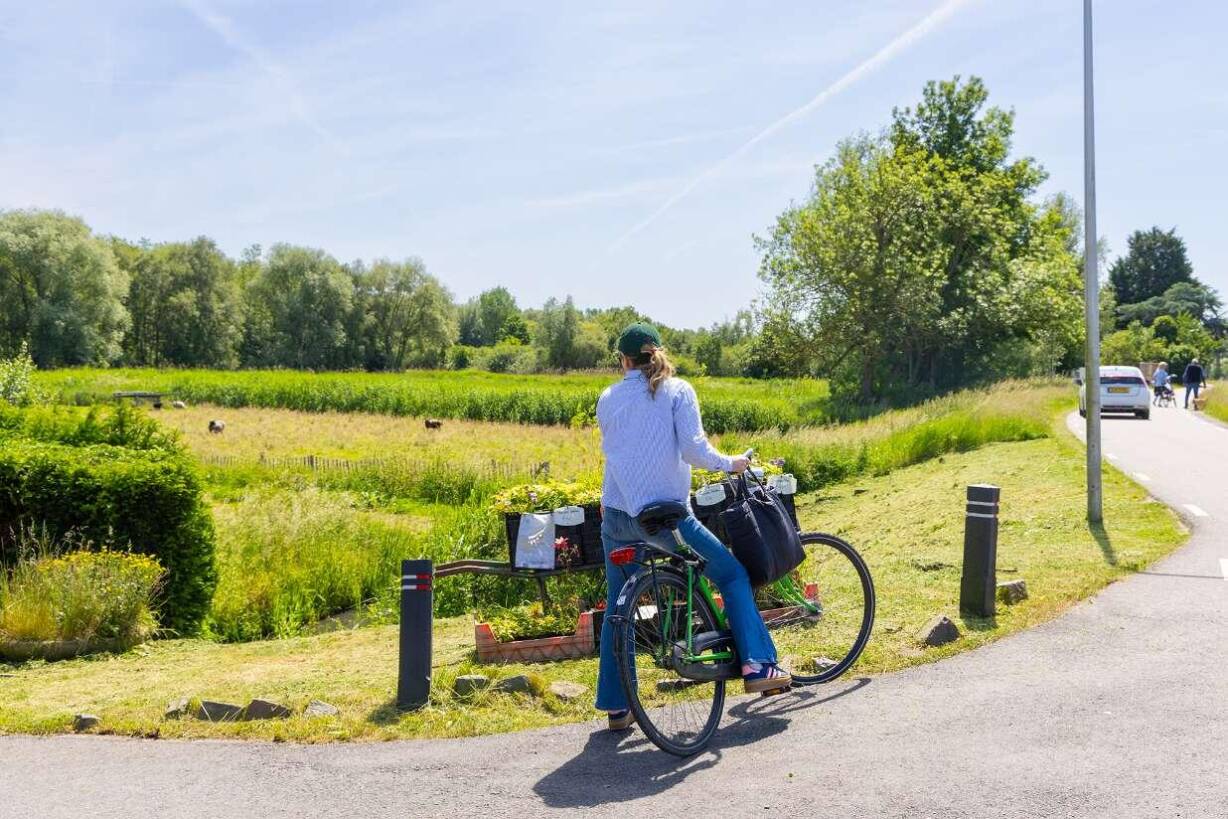
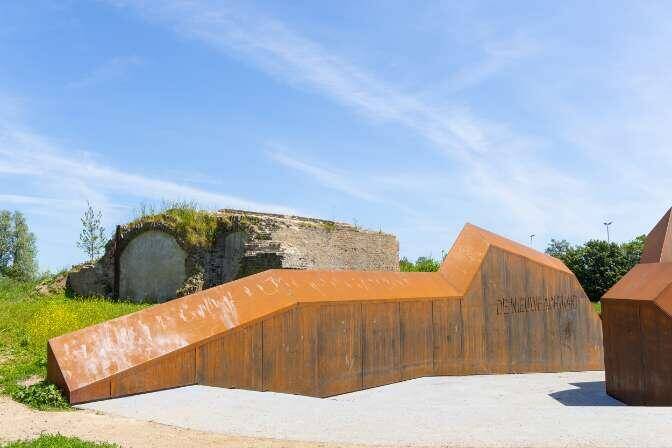
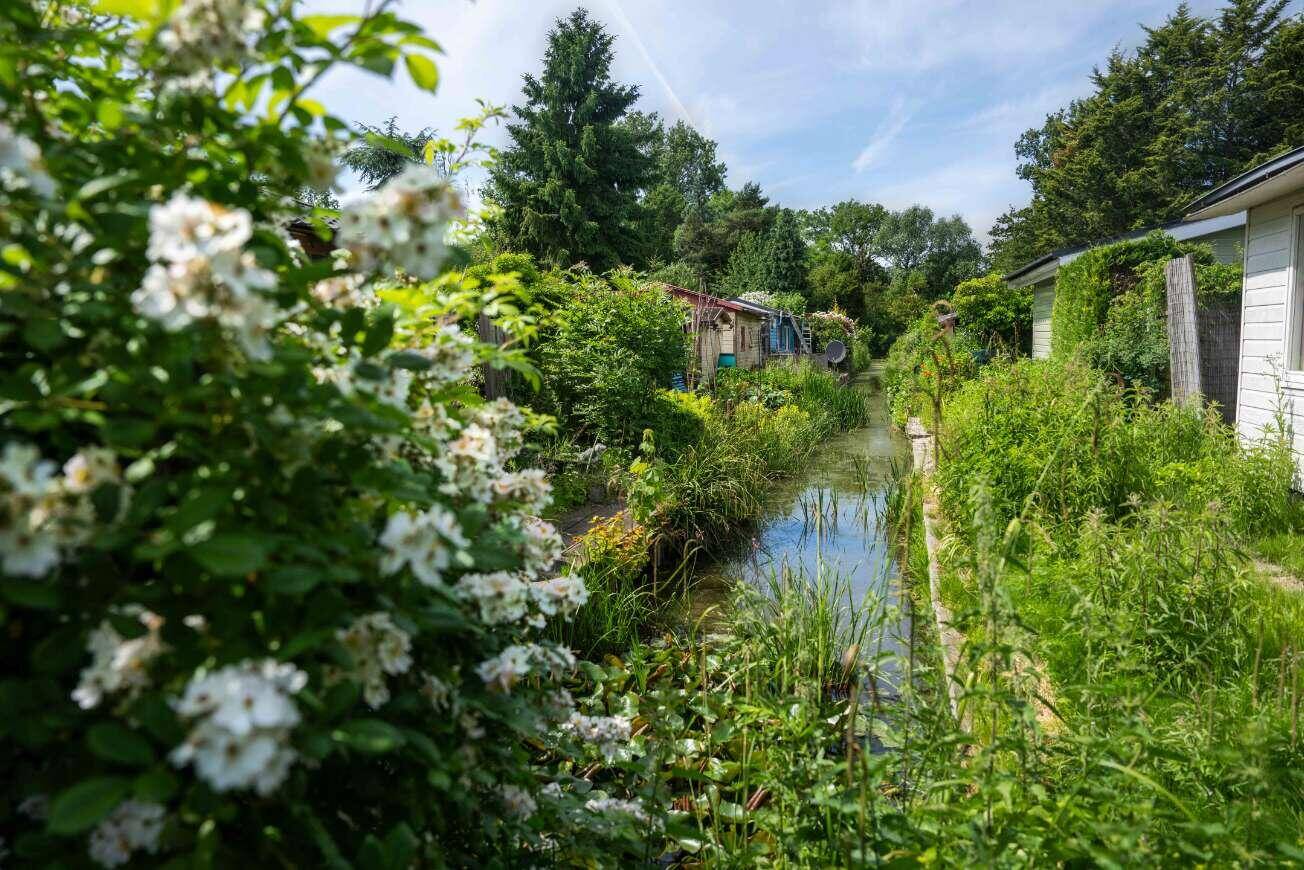
The development principles also guide the projects in the area. A ‘wet climate forest’ pilot is running at two locations, and ecological corridors have been restored. Since 2025, there has been a cycle route through the Diemerscheg, with the water and dyke structures forming the main landscape boulevards. The fortifications of Weesp have been restored, and a Natuurboulevard 2.0 (nature boulevard) has been laid out. In the future, the Diem may gain a small nature-inclusive beach.
The redevelopment has several aims, explains Green Project Manager Sebastiaan Weijer from the City’s Project Engineering department. Together with Green Project Manager Clara Belt, who also works at Project Engineering, he is overseeing the redevelopment. Weijer: “The aim is to connect the park better with the surrounding areas and make it suitable for more visitors and a wider variety of recreational activities. At the same time, we are strengthening the park’s natural value and biodiversity”.
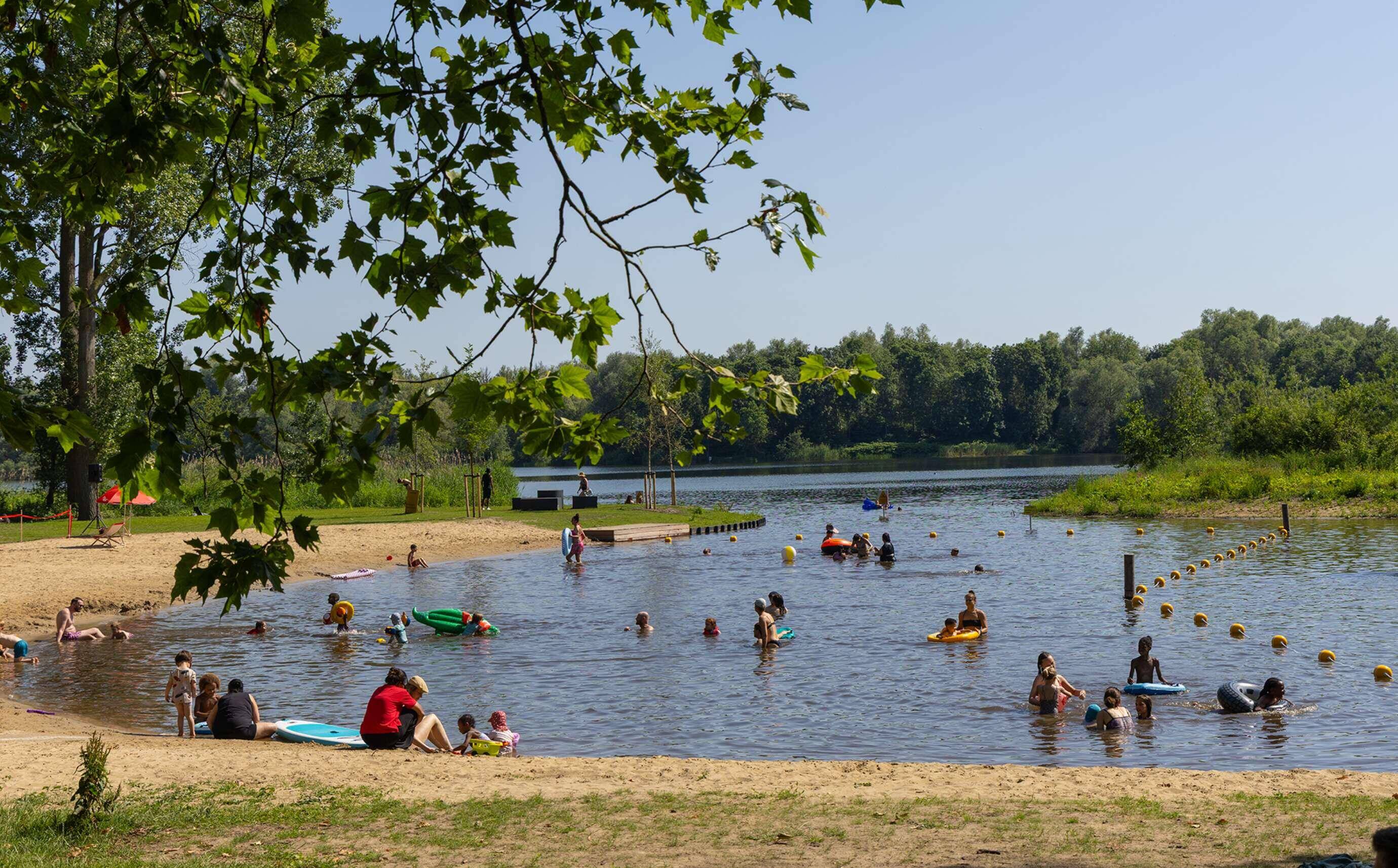
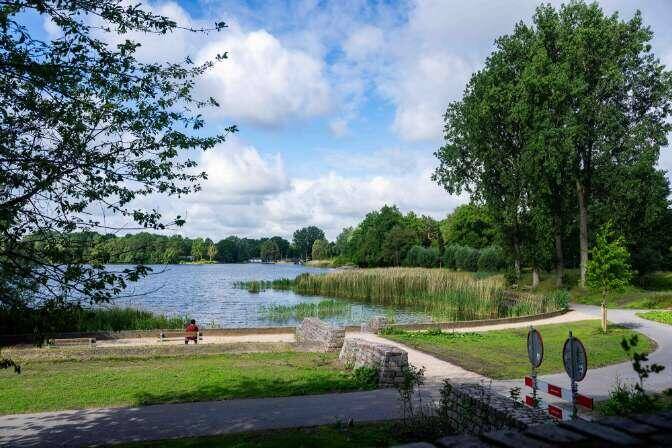
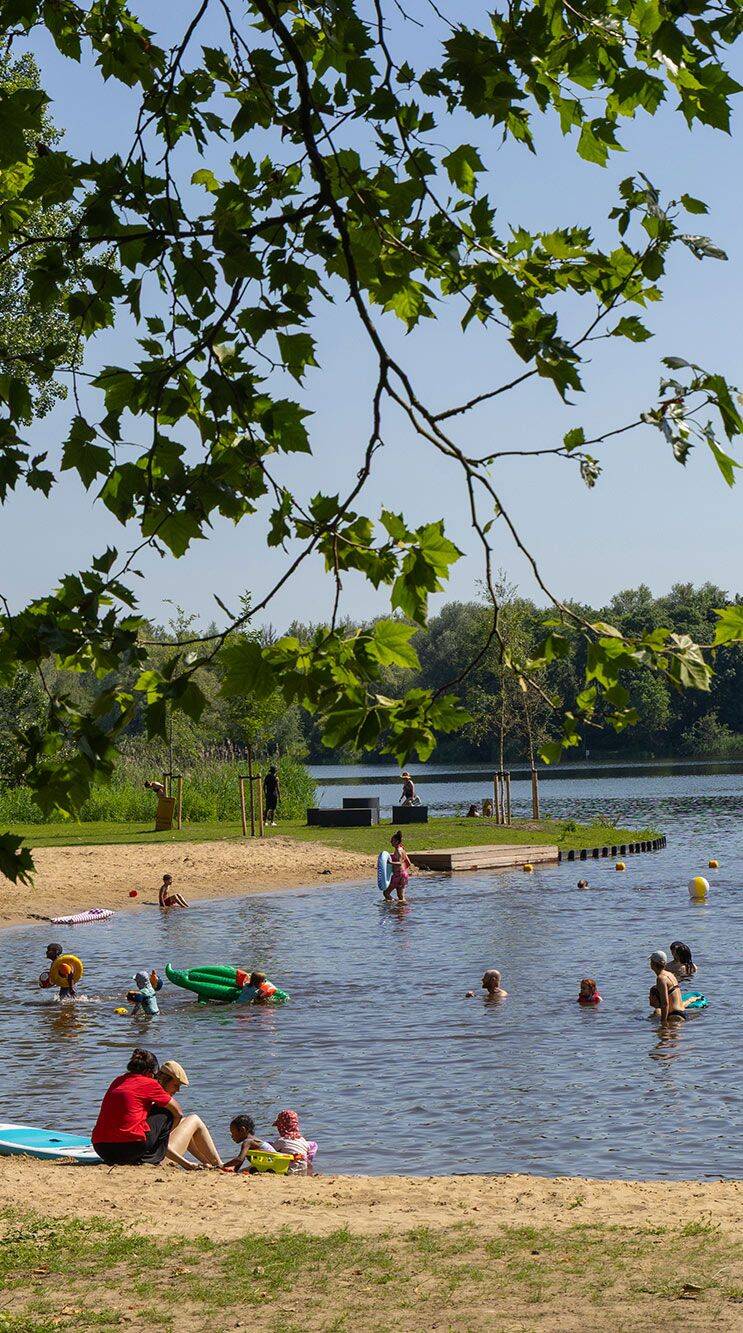
In future, a new cycle path will make a full loop around the Gaasperplas. A new footpath runs along the inside of that cycle route - close to the water, just like the cycle path. Together the two form a ‘string’ onto which the City threads a number of ‘beads’: special places that serve recreation or nature in turn. Frans Boots, Head of Public Space Design at the City of Amsterdam’s Planning and Sustainability department: “This gives the park a clear network of routes that follow logical lines, pass beautiful spots and connect better to the surrounding areas. The beads let us manage how the park is used more effectively, with more traffic on certain routes and spots, and spaces set aside for recreation, roaming and nature”. One of those beads is the new swimming beach opposite the Bastion. It opens this summer.
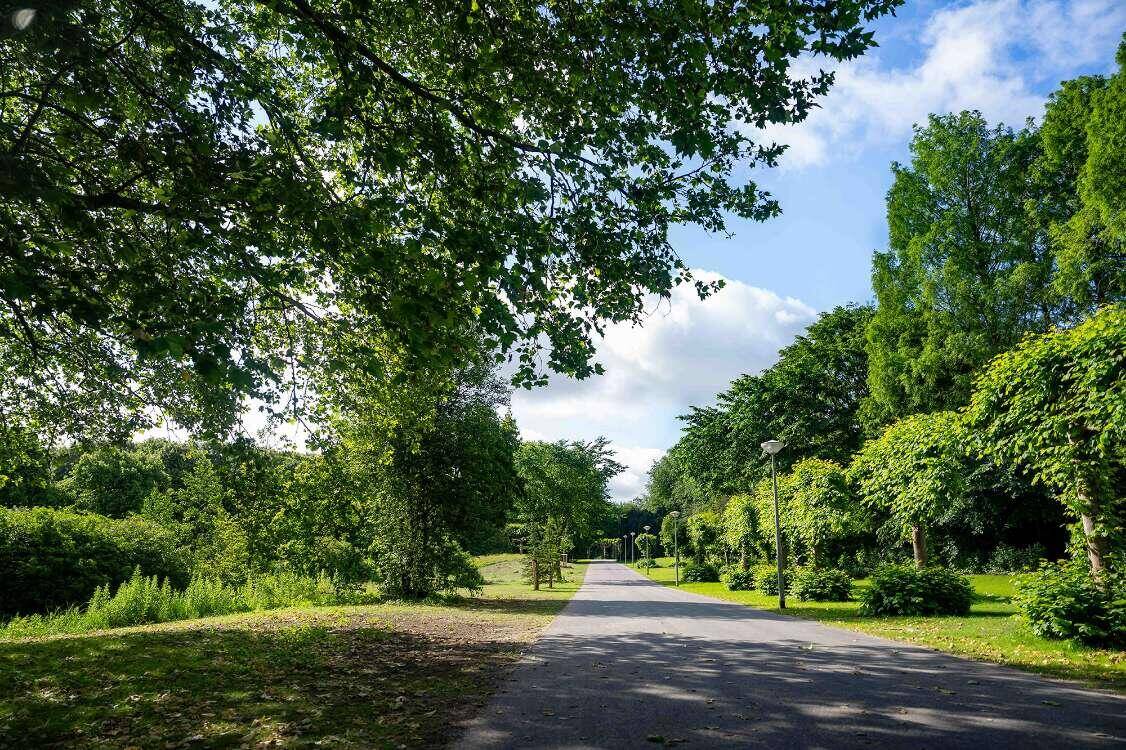
Green rooms in the Diemerscheg
In the Diemerscheg, the major challenges are putting real pressure on the available space. That calls for clear direction on nature conservation and management. Since 2020, the municipalities of Amsterdam, Diemen and Gooise Meren have been working with Staatsbosbeheer, Waternet/AGV and Recreatieschap Groengebied Amstelland. Together they are exploring how the major challenges in the Diemerscheg can be reconciled with conserving and restoring the distinctive natural landscapes and cultural heritage of this green wedge - including room for recreation. These six parties have joined forces in the Diemerscheg Project Group.
A string of beads in Gaasperplaspark
After forty years of service as a city park, the City of Amsterdam is giving Gaasperplaspark a new layout: clear cycling and walking routes, well-defined zoning of nature and recreation, and more biodiversity. Designed through co-creation, a park is taking shape in Zuidoost with special places for people and animals along a route around the Gaasperplas.
Summary
Tekst: Hans Fuchs
Translation: Translation Kings
Photography: Kick Smeets
Portraits: Anne Reinke
Green for a better city
From the front door all the way out to the green wedges: with greenery, the City of Amsterdam is making the city healthier and more sociable, more climate-adaptive and more biodiverse. That is what the City’s Green Vision 2020–2050 and the Rigorous Greening plan set out. Policy advisors Geertje Wijten and Niek Bosch from the Planning and Sustainability department are working towards that greener city.
At the heart of the Green Vision 2020–2050 are the new values for Amsterdam’s green spaces. In the city, green space does more than support climate adaptation and biodiversity; it also helps create a healthy living environment and social well-being. That makes the city better, says the Green Vision. The city becomes ‘a more pleasant place to live, it becomes more sociable, ecologically stronger and more sustainable’.
In the wake of the Green Vision, the City of Amsterdam developed the Rigorous Greening plan, adopted by the College of Mayor and Alderpersons in 2025. This ‘rigorous greening’ is now one of the five strategic choices in the Environmental Vision 2050. “Where the Green Vision sets out the policy, the Rigorous Greening plan provides the data to back it up”, says Niek Bosch: “Just how much new green space are we actually talking about here - and what kind, and where? We’re now five years on from the Green Vision, and all sorts of projects have started; was that the right greenery in the right place?”.
The data in the Rigorous Greening plan make the challenges tangible and build awareness and understanding, says Geertje Wijten: “Rigorous greening brings home that we can integrate green space in a way that really does work”.
A string of beads in Gaasperplaspark
After forty years of service as a city park, the City of Amsterdam is giving Gaasperplaspark a new layout: clear cycling and walking routes, well-defined zoning of nature and recreation, and more biodiversity. Designed through co-creation, a park is taking shape in Zuidoost with special places for people and animals along a route around the Gaasperplas.
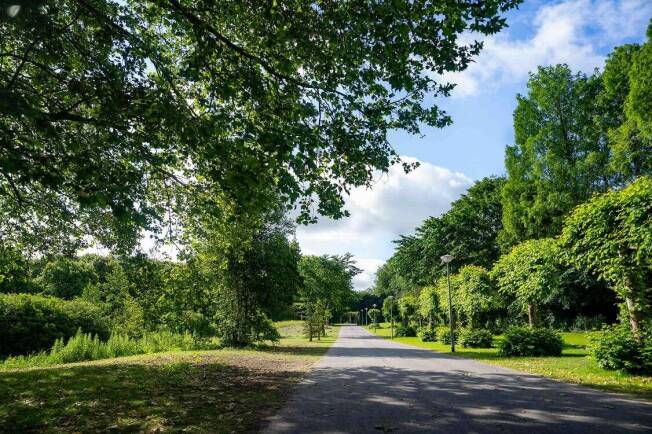
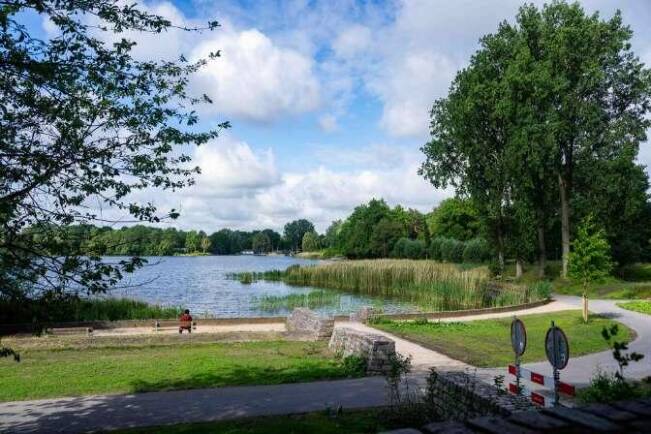
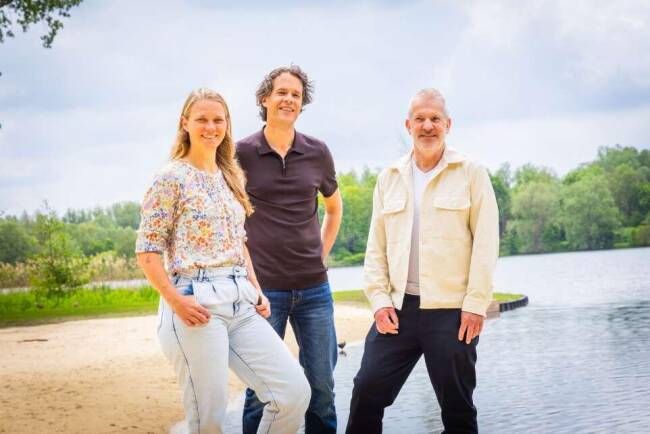
The redevelopment has several aims, explains Green Project Manager Sebastiaan Weijer from the City’s Project Engineering department. Together with Green Project Manager Clara Belt, who also works at Project Engineering, he is overseeing the redevelopment. Weijer: “The aim is to connect the park better with the surrounding areas and make it suitable for more visitors and a wider variety of recreational activities. At the same time, we are strengthening the park’s natural value and biodiversity”.
In future, a new cycle path will make a full loop around the Gaasperplas. A new footpath runs along the inside of that cycle route - close to the water, just like the cycle path. Together the two form a ‘string’ onto which the City threads a number of ‘beads’: special places that serve recreation or nature in turn. Frans Boots, Head of Public Space Design at the City of Amsterdam’s Planning and Sustainability department: “This gives the park a clear network of routes that follow logical lines, pass beautiful spots and connect better to the surrounding areas. The beads let us manage how the park is used more effectively, with more traffic on certain routes and spots, and spaces set aside for recreation, roaming and nature”. One of those beads is the new swimming beach opposite the Bastion. It opens this summer.
Green rooms in the Diemerscheg
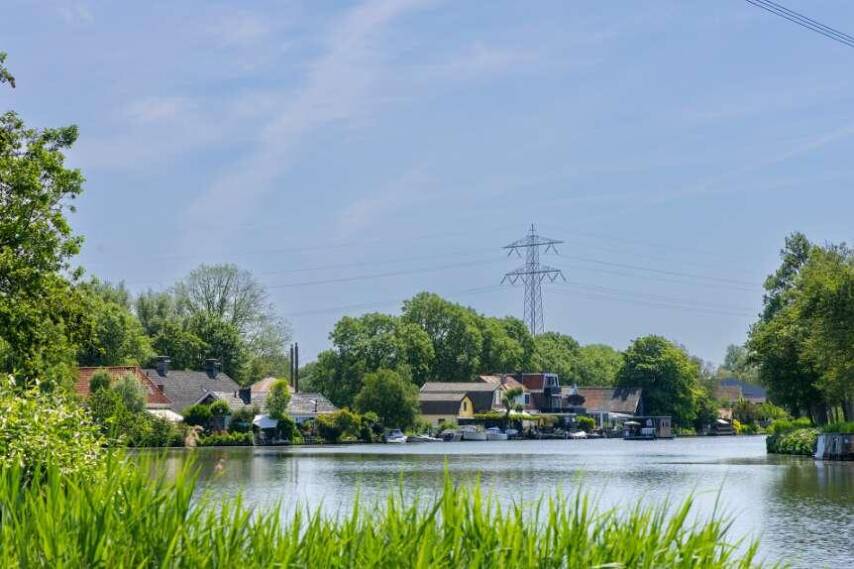
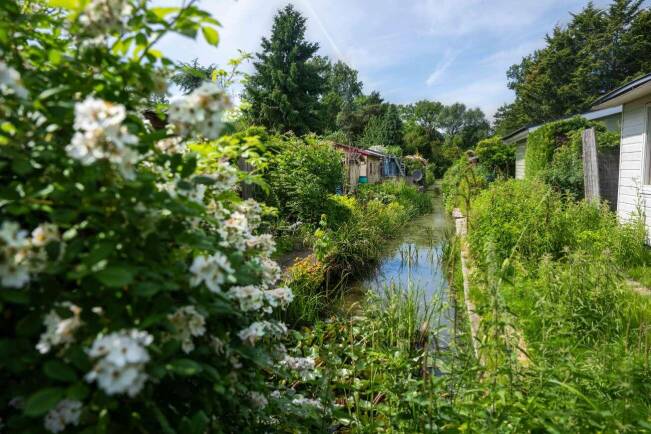
In the Diemerscheg, the major challenges are putting real pressure on the available space. That calls for clear direction on nature conservation and management. Since 2020, the municipalities of Amsterdam, Diemen and Gooise Meren have been working with Staatsbosbeheer, Waternet/AGV and Recreatieschap Groengebied Amstelland. Together they are exploring how the major challenges in the Diemerscheg can be reconciled with conserving and restoring the distinctive natural landscapes and cultural heritage of this green wedge - including room for recreation. These six parties have joined forces in the Diemerscheg Project Group.
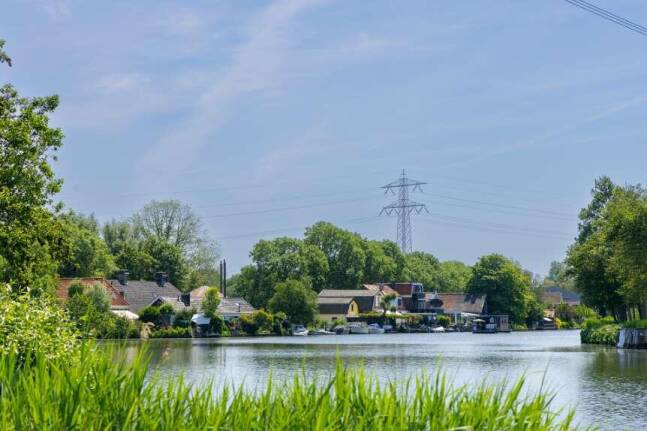
On behalf of Diemen and Amsterdam, Anke Pet and Marja van Nieuwkoop sit on the project group. Pet is Policy Officer for Spatial Development / Nature and Recreation, while Van Nieuwkoop is a strategic policy advisor at Planning and Sustainability. Pet and Van Nieuwkoop: “A lot is changing in the area. That calls for a broadly shared vision for the future of the Diemerscheg”.
In 2021, the project group drew up eight development principles for the Diemerscheg to guide nature conservation and management. Anke Pet: “The aim is to thread together the remaining heritage and nature areas in the Diemerscheg like green rooms, each with its own character, and to create specific spots and routes for recreation as well. That way, the area takes on more meaning for the people around it”.
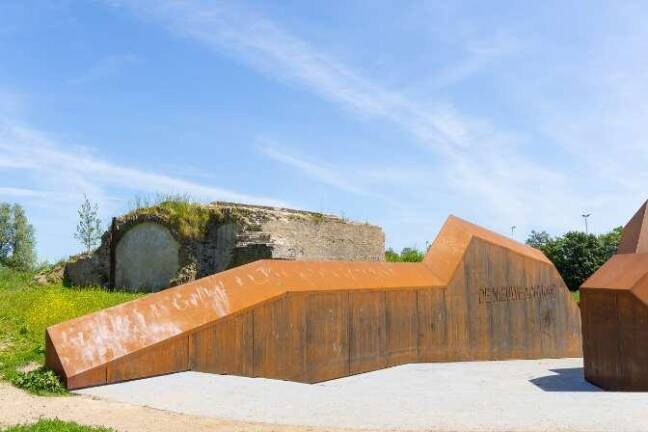
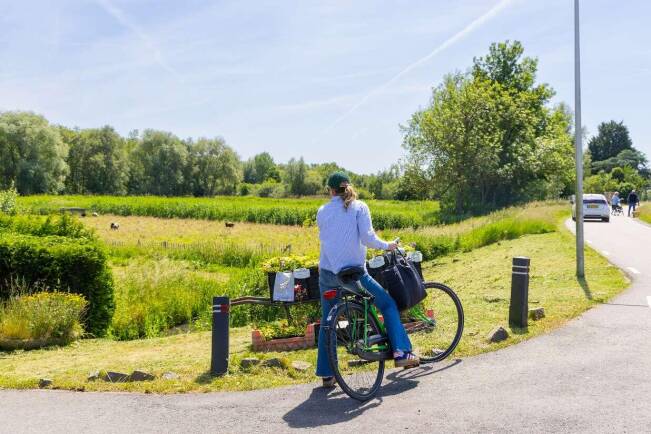
The development principles also guide the projects in the area. A ‘wet climate forest’ pilot is running at two locations, and ecological corridors have been restored. Since 2025, there has been a cycle route through the Diemerscheg, with the water and dyke structures forming the main landscape boulevards. The fortifications of Weesp have been restored, and a Natuurboulevard 2.0 (nature boulevard) has been laid out. In the future, the Diem may gain a small nature-inclusive beach.