heritage
Sustainable
Bureau Monumenten en Archeologie

Tekst: Hans Fuchs
Translation: Translation Kings
Making heritage sustainable is tailor-made work. For the historic Van Gendt Hallen, owner Eduard Zanen chose to make the national monument energy-neutral, in collaboration with the Bureau Monumenten en Archeologie (BMA). Buurtcentrum Transvaal, a municipal monument, is Post’65 heritage and calls for its own distinct sustainability measures. Through the Loket Duurzaam Erfgoed, BMA supports heritage owners.
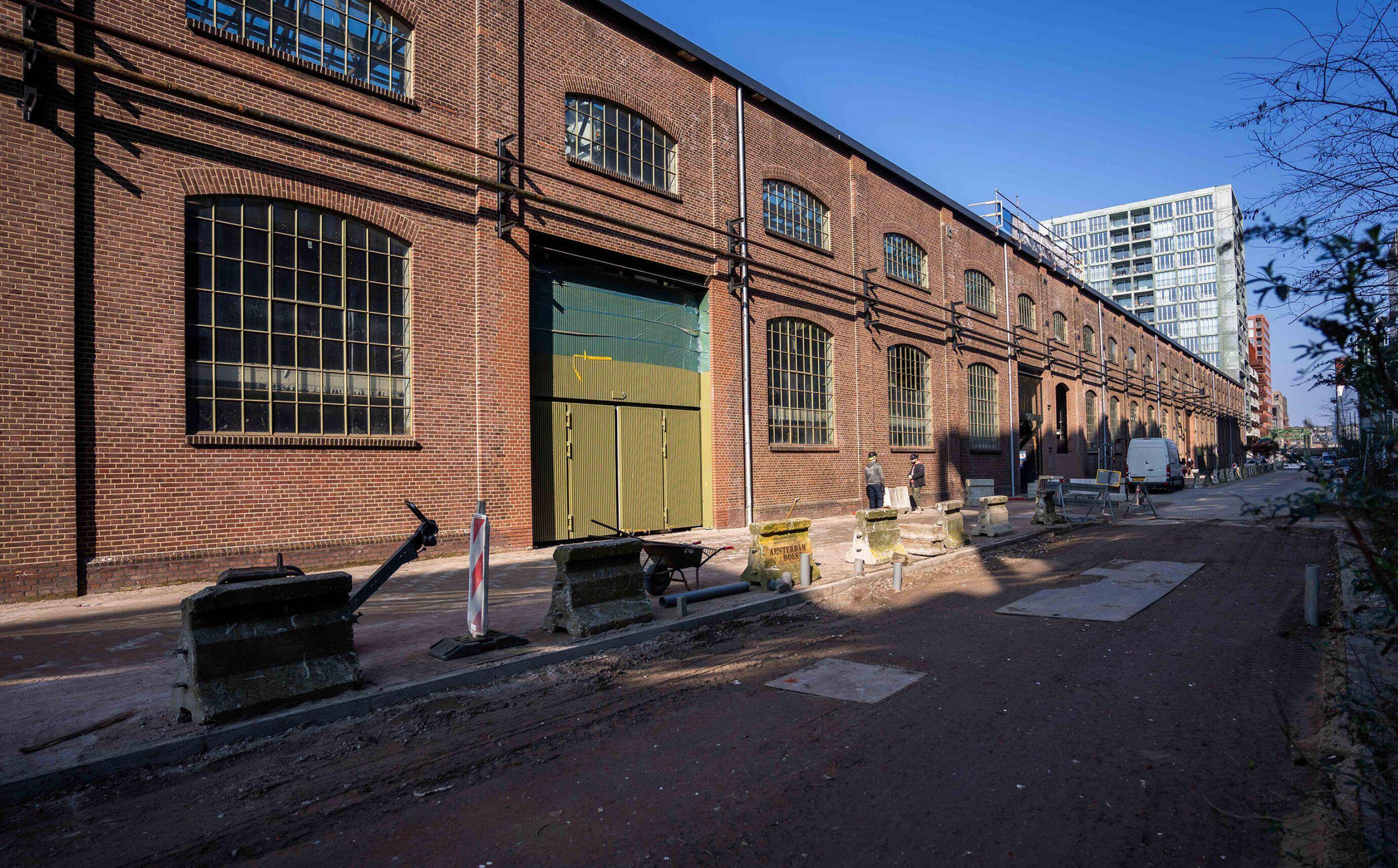
New users will soon be moving into Amsterdam’s Van Gendt Hallen. During the restoration, repurposing and sustainability improvements to the historic industrial halls in Oostenburg, Bureau Monumenten en Archeologie and owner Eduard Zanen worked closely together. From the very start of the repurposing process, Zanen opted to make the national monument energy-neutral: “This makes the heritage more usable and future-proof. With high-quality sustainable techniques, it also proved feasible here”. Zanen finds it remarkable that the municipality embraced his ambition: “Amsterdam strives to make all buildings in the city more sustainable - including heritage. But the leap to energy-neutral is large and complex, certainly in a national monument. In the Van Gendt Hallen, it required measures from the ridge all the way down below ground”.
On behalf of the municipal Bureau Monumenten en Archeologie, heritage adviser André Winder has been involved with the Van Gendt Hallen since 2016: “Together with Eduard Zanen, we wanted to define the essence and character of the adaptive reuse challenge. In our view, that means being able to truly experience the halls, and being able to read the history of their expansion and the industrial production process”. When defining the adaptive reuse challenge, the fact that housing association Stadgenoot had been actively engaged in area development in Oostenburg since 2007 also played a role. That provided opportunities for giving the Van Gendt Hallen a role in the neighbourhood as well, according to Winder. In addition, the new programme, including Museum Drift, also gave the repurposing significance beyond the neighbourhood.
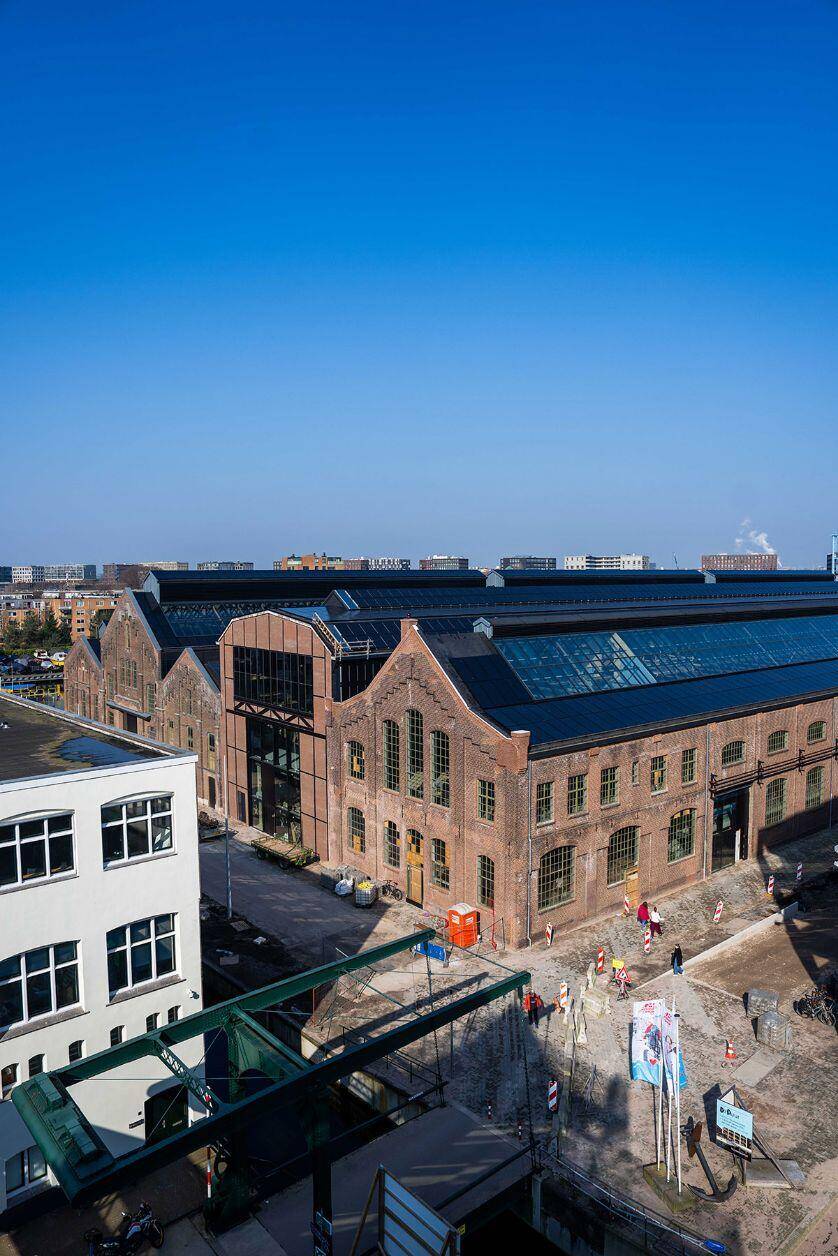
Van Gendt Hallen.
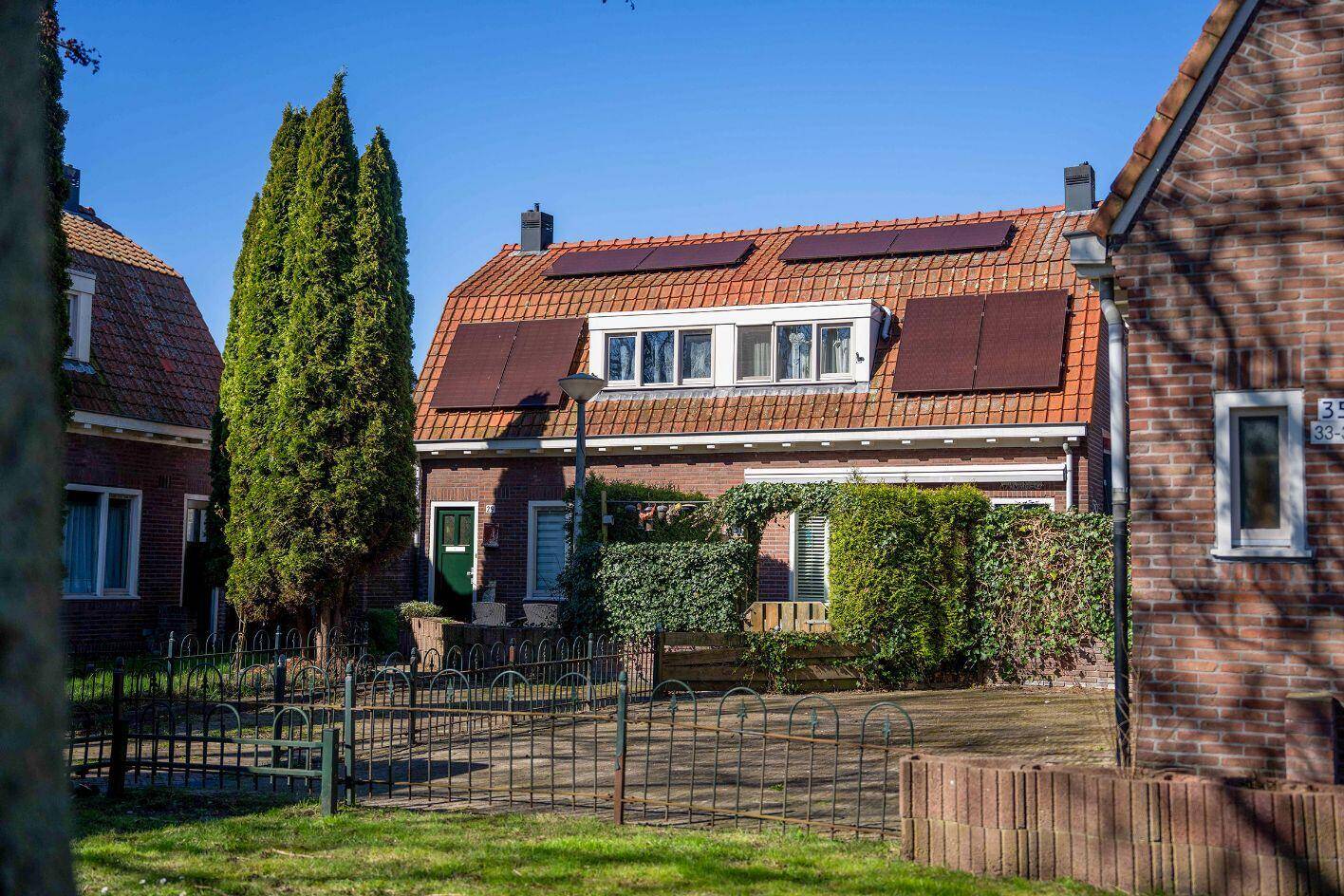
Red solar panels in Amsterdam-Noord.
Loket Duurzaam Erfgoed
Making monuments and protected cityscapes sustainable is bespoke work. For this bespoke work, the municipal Loket Duurzaam Erfgoed was established in 2021. Annette ten Doeschate and Baeda Al Zamily inform, advise and support people on making the city’s heritage future-proof. Baeda Al Zamily describes the service point as a new link between Amsterdam residents and the Bureau Monumenten en Archeologie: “Ask us whatever you want to know about making your monument more sustainable and we will take your question behind the scenes, to the BMA advisers with their knowledge of policy and regulations surrounding monuments”.
Any Amsterdam resident - private owner, housing association, homeowners’ association, architect or external adviser - can contact the Loket Duurzaam Erfgoed digitally, with questions large and small. Al Zamily: “People who are just starting out, we tell them what is and what is not permitted when it comes to making their heritage more sustainable. For parties who are further along, our heritage advisers guide you through the formal process all the way to a viable permit”.
Annette ten Doeschate sees the service point as a nudge in the right direction: “We handle individual applications, provide support, follow up with phone calls and offer advice. What is achievable in terms of sustainability differs for each monument. We look at that on a case-by-case basis. This bespoke approach helps heritage property owners move forward, and the municipality too. Making these properties sustainable ensures they are future-proof and contribute to the municipal climate goals”.
Buurtcentrum Transvaal
On 16 December 2025, Buurtcentrum Transvaal in Amsterdam-Oost became a municipal monument. In the near future, this Post’65 heritage will undergo sustainability improvements. An important question: how do you approach that with a young monument like this? When weighing the heritage values and qualities of Post’65 heritage, the municipal Bureau Monumenten en Archeologie assigns a different weight to certain aspects. This is according to architectural historian Agnes Hemmes of BMA. During the monument application for the community centre, she worked in close collaboration with BMA Policy advisor Ariadne Onclin. Hemmes: “With Post’65, it is often more about the conceptual values. Buurtcentrum Transvaal tells an important social story. It is a monument to ‘building for the neighbourhood’ and reflects the post-war social history of the Transvaalbuurt”. According to Hemmes, the community centre is also the herald of a new architecture after structuralism, in the form of a building that was innovative and experimental for its time.
The community centre was built in 1975 based on a design by architects Pi de Bruijn and Ruud Snikkenburg of the municipal Housing Department. Hemmes: “De Bruijn himself later indicated that many of the principles that characterise his later work were already present here”. Heritage adviser Hugo Roerink of BMA investigated the opportunities, considerations and limitations of making the community centre more sustainable. Roerink mentions the glass facades with their steel window frames as a major challenge: “Those window frames are characteristic of the building. Insulating the window frames would deliver a significant sustainability improvement and would offer the opportunity to restore the facade’s appearance”. The municipal Estates department is currently examining the specific options for sustainability improvements.
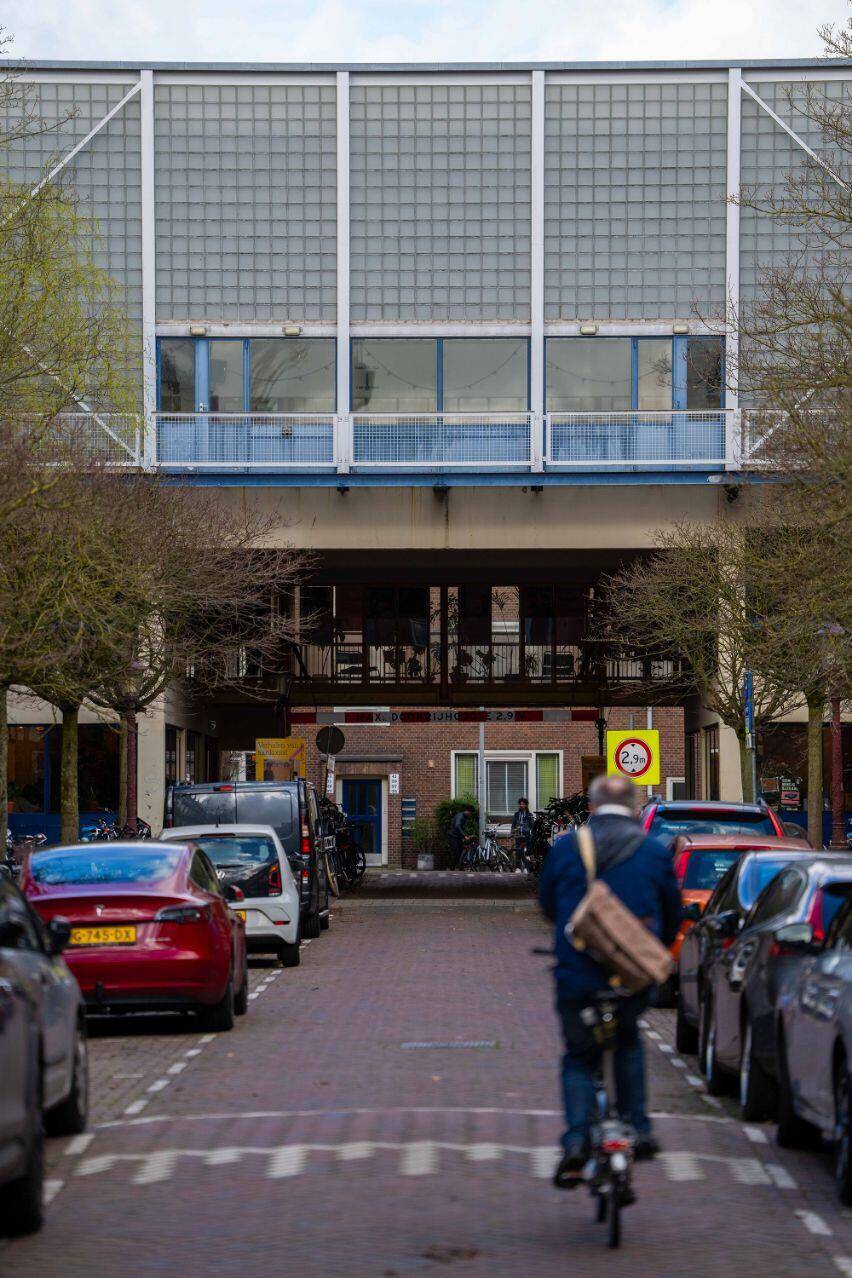
The glass facade of the gym of Buurthuis Transvaal.
Summary
Bureau Monumenten en Archeologie
heritage
Sustainable
Tekst: Hans Fuchs
Translation: Translation Kings
Making heritage sustainable is tailor-made work. For the historic Van Gendt Hallen, owner Eduard Zanen chose to make the national monument energy-neutral, in collaboration with the Bureau Monumenten en Archeologie (BMA). Buurtcentrum Transvaal, a municipal monument, is Post’65 heritage and calls for its own distinct sustainability measures. Through the Loket Duurzaam Erfgoed, BMA supports heritage owners.
New users will soon be moving into Amsterdam’s Van Gendt Hallen. During the restoration, repurposing and sustainability improvements to the historic industrial halls in Oostenburg, Bureau Monumenten en Archeologie and owner Eduard Zanen worked closely together. From the very start of the repurposing process, Zanen opted to make the national monument energy-neutral: “This makes the heritage more usable and future-proof. With high-quality sustainable techniques, it also proved feasible here”. Zanen finds it remarkable that the municipality embraced his ambition: “Amsterdam strives to make all buildings in the city more sustainable - including heritage. But the leap to energy-neutral is large and complex, certainly in a national monument. In the Van Gendt Hallen, it required measures from the ridge all the way down below ground”.
On behalf of the municipal Bureau Monumenten en Archeologie, heritage adviser André Winder has been involved with the Van Gendt Hallen since 2016: “Together with Eduard Zanen, we wanted to define the essence and character of the adaptive reuse challenge. In our view, that means being able to truly experience the halls, and being able to read the history of their expansion and the industrial production process”. When defining the adaptive reuse challenge, the fact that housing association Stadgenoot had been actively engaged in area development in Oostenburg since 2007 also played a role. That provided opportunities for giving the Van Gendt Hallen a role in the neighbourhood as well, according to Winder. In addition, the new programme, including Museum Drift, also gave the repurposing significance beyond the neighbourhood.
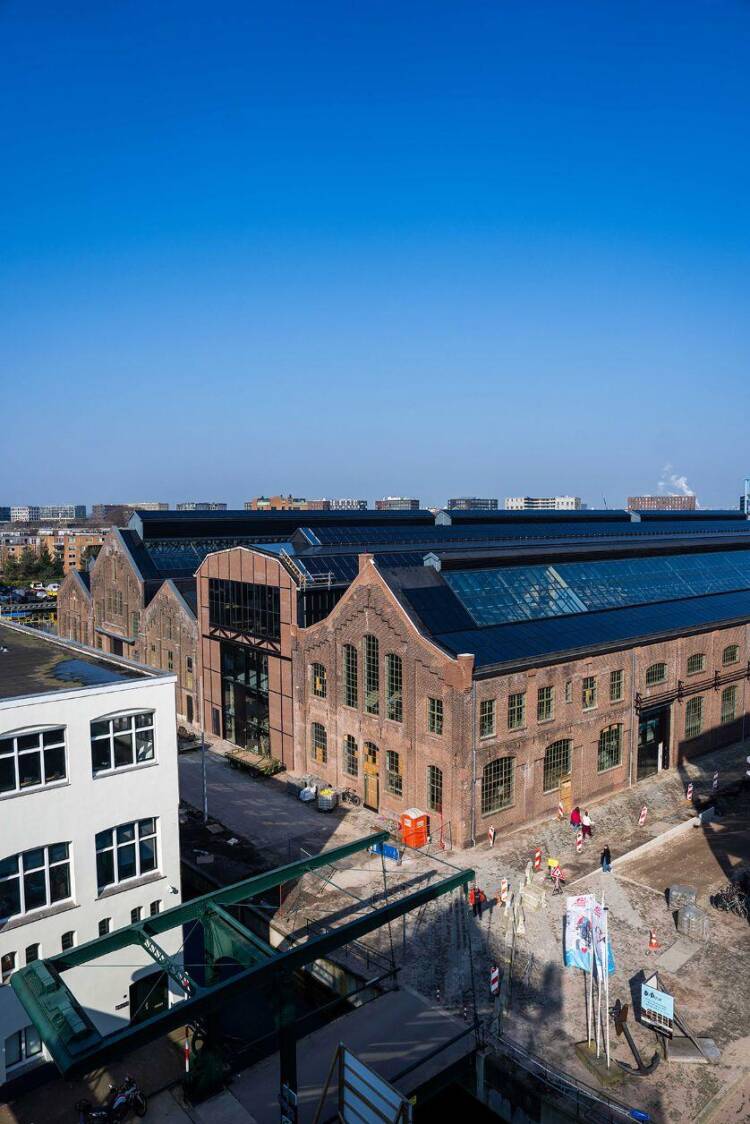
Van Gendt Hallen.
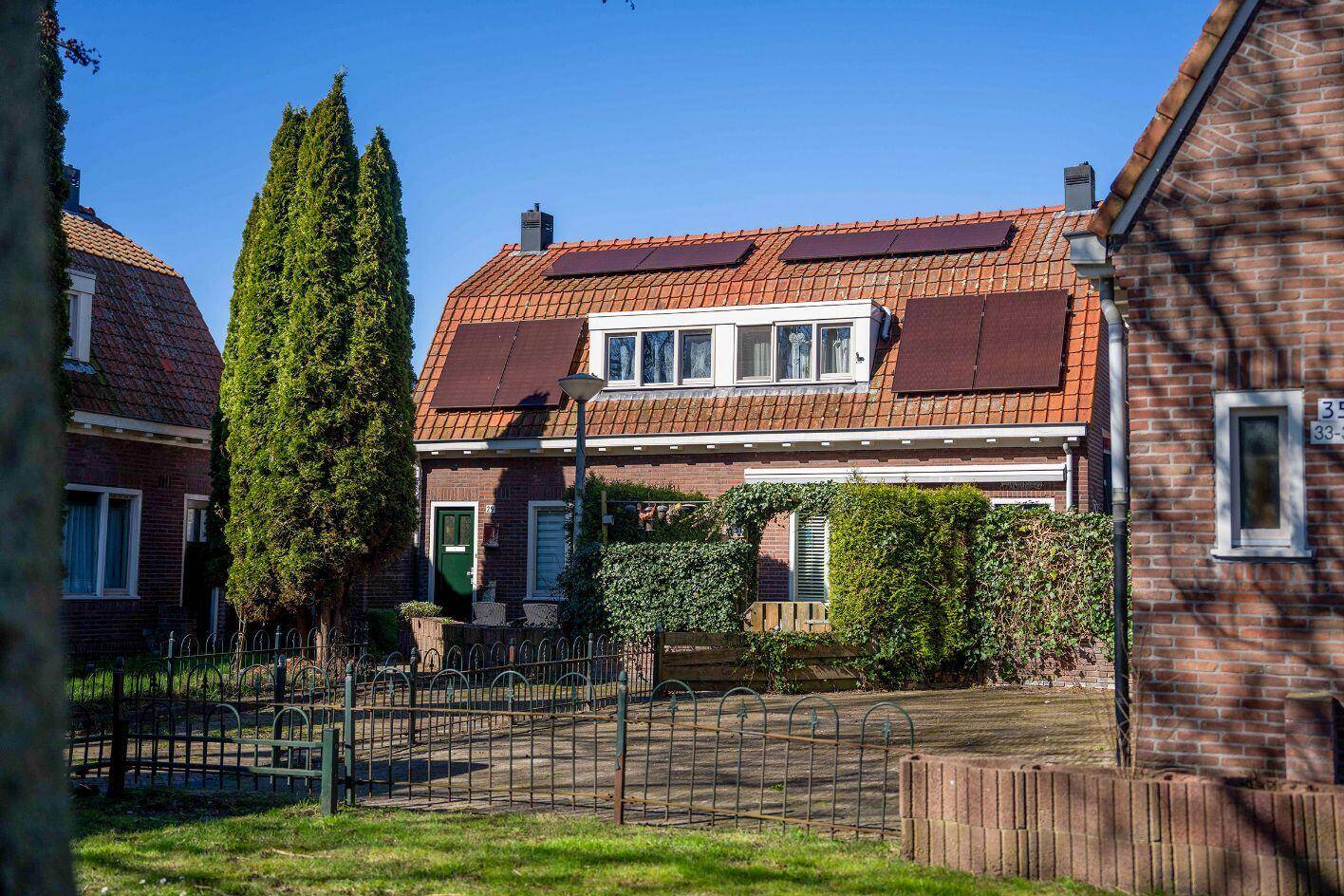
Red solar panels in Amsterdam-Noord.
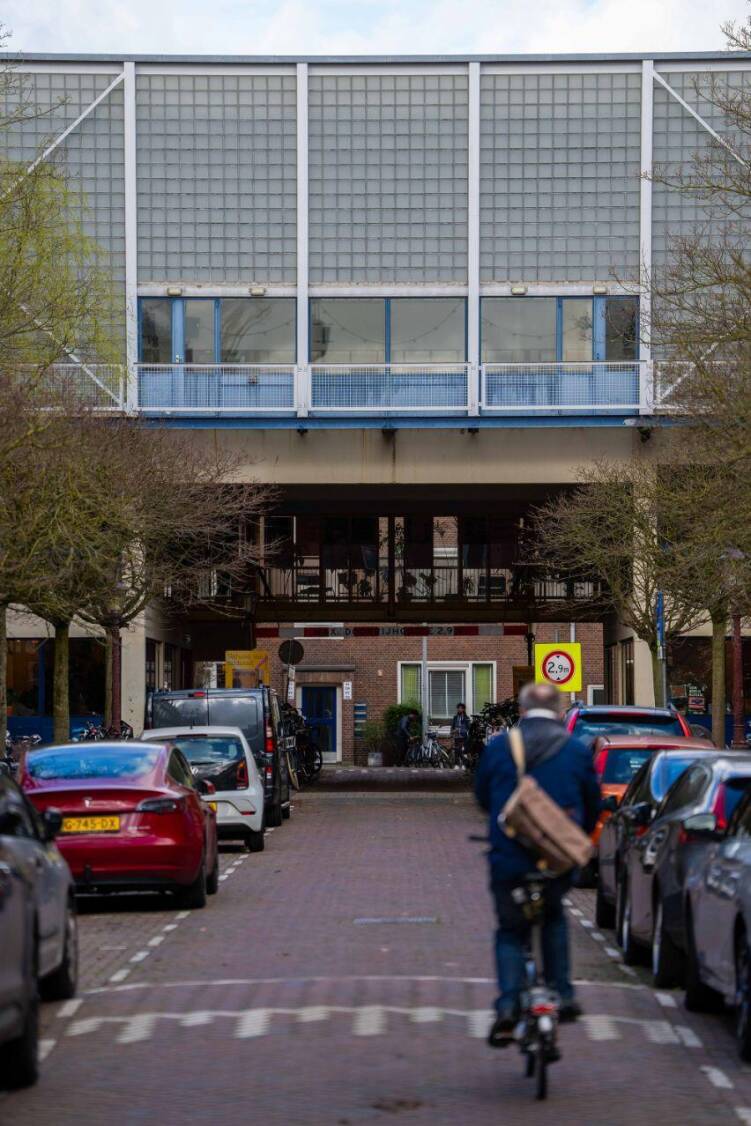
The glass facade of the gym of Buurthuis Transvaal.
Buurtcentrum Transvaal
On 16 December 2025, Buurtcentrum Transvaal in Amsterdam-Oost became a municipal monument. In the near future, this Post’65 heritage will undergo sustainability improvements. An important question: how do you approach that with a young monument like this? When weighing the heritage values and qualities of Post’65 heritage, the municipal Bureau Monumenten en Archeologie assigns a different weight to certain aspects. This is according to architectural historian Agnes Hemmes of BMA. During the monument application for the community centre, she worked in close collaboration with BMA Policy advisor Ariadne Onclin. Hemmes: “With Post’65, it is often more about the conceptual values. Buurtcentrum Transvaal tells an important social story. It is a monument to ‘building for the neighbourhood’ and reflects the post-war social history of the Transvaalbuurt”. According to Hemmes, the community centre is also the herald of a new architecture after structuralism, in the form of a building that was innovative and experimental for its time.
The community centre was built in 1975 based on a design by architects Pi de Bruijn and Ruud Snikkenburg of the municipal Housing Department. Hemmes: “De Bruijn himself later indicated that many of the principles that characterise his later work were already present here”. Heritage adviser Hugo Roerink of BMA investigated the opportunities, considerations and limitations of making the community centre more sustainable. Roerink mentions the glass facades with their steel window frames as a major challenge: “Those window frames are characteristic of the building. Insulating the window frames would deliver a significant sustainability improvement and would offer the opportunity to restore the facade’s appearance”. The municipal Estates department is currently examining the specific options for sustainability improvements.
Loket Duurzaam Erfgoed
Making monuments and protected cityscapes sustainable is bespoke work. For this bespoke work, the municipal Loket Duurzaam Erfgoed was established in 2021. Annette ten Doeschate and Baeda Al Zamily inform, advise and support people on making the city’s heritage future-proof. Baeda Al Zamily describes the service point as a new link between Amsterdam residents and the Bureau Monumenten en Archeologie: “Ask us whatever you want to know about making your monument more sustainable and we will take your question behind the scenes, to the BMA advisers with their knowledge of policy and regulations surrounding monuments”.
Any Amsterdam resident - private owner, housing association, homeowners’ association, architect or external adviser - can contact the Loket Duurzaam Erfgoed digitally, with questions large and small. Al Zamily: “People who are just starting out, we tell them what is and what is not permitted when it comes to making their heritage more sustainable. For parties who are further along, our heritage advisers guide you through the formal process all the way to a viable permit”.
Annette ten Doeschate sees the service point as a nudge in the right direction: “We handle individual applications, provide support, follow up with phone calls and offer advice. What is achievable in terms of sustainability differs for each monument. We look at that on a case-by-case basis. This bespoke approach helps heritage property owners move forward, and the municipality too. Making these properties sustainable ensures they are future-proof and contribute to the municipal climate goals”.
